

Are you building a lead generation system, or just stacking channels and hoping volume turns into pipeline?
That distinction decides whether marketing produces revenue or noise. Plenty of teams publish articles, run paid campaigns, post on LinkedIn, and send email, yet still hear the same complaint from sales: lead volume looks acceptable, but buying intent is weak. In practice, the problem is rarely effort. It is usually poor connection between channels, offers, qualification, and follow-up.
Lead generation works when each part has a job. One channel creates demand. Another captures it. Another filters for fit. Another keeps the conversation alive until the buyer is ready. If any one of those steps is missing, costs rise and conversion rates fall.
Content often carries more of that load than teams expect, especially because it can keep producing demand long after a campaign ends. That is one reason many companies are better served by building a repeatable inbound engine before adding more short-term tactics. A focused SEO lead generation strategy gives that engine structure, so content, landing pages, and offers support the same conversion path instead of competing for attention.
If you want a practical overview of attracting new customers with lead gen, start by matching the channel to the business model. An SMB with a limited budget needs faster feedback loops and fewer moving parts. A B2B team usually needs tighter qualification, nurture, and sales handoff. An ecommerce brand needs list growth, retargeting, and offer timing that protects margin.
This guide is built for execution, not theory. The sections below prioritize what to do first for SMBs, B2B companies, and ecommerce brands, with implementation tips and short case-style examples so you can choose a channel mix that fits your sales cycle, team capacity, and budget.
These ten strategies all work. They just do not work equally well in every context.
1. Content Marketing & SEO-Driven Lead Generation
What keeps generating qualified leads after the paid campaign ends?
Content and SEO usually do, if they are built to move a prospect toward one next step instead of chasing pageviews for their own sake. I have seen small teams publish for months, rank for a handful of terms, and still produce weak pipeline because the content answered broad questions without connecting those questions to an offer, a form, or a sales conversation.
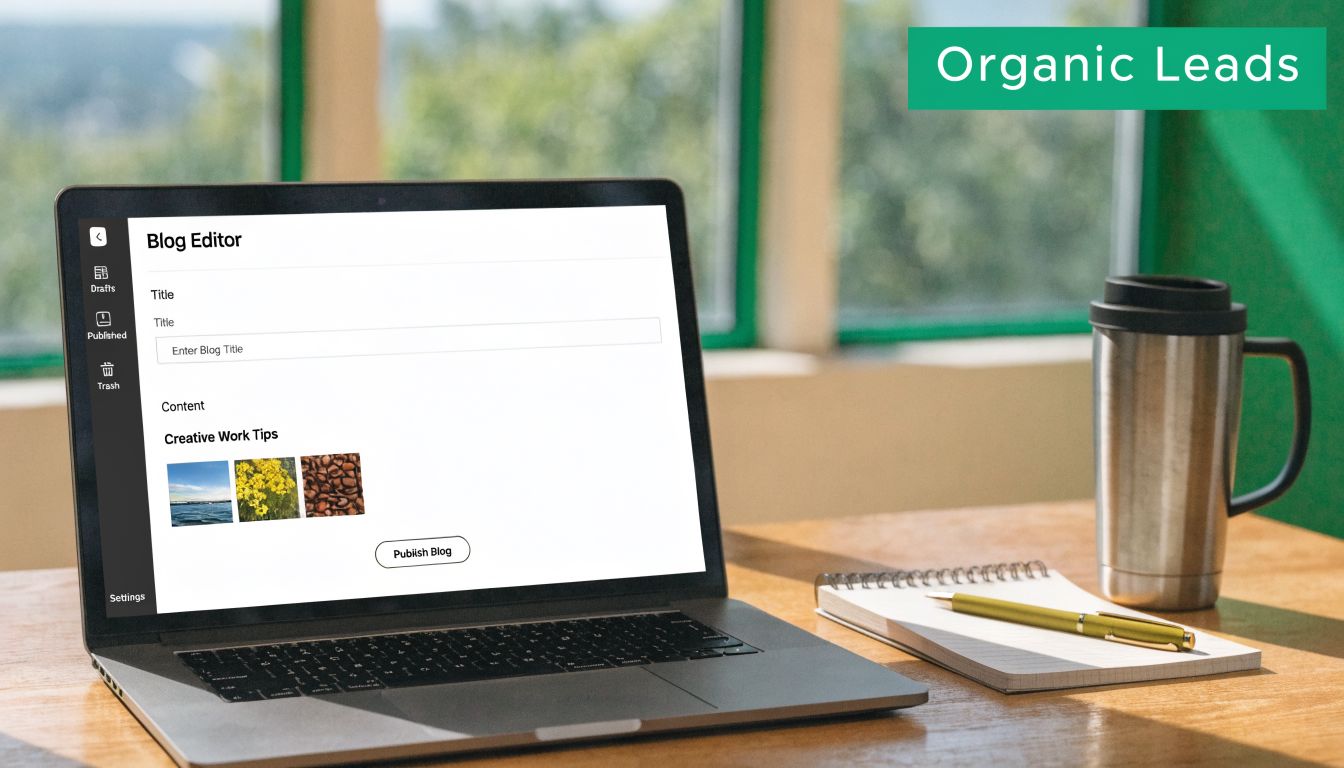
The fix is straightforward. Build content by intent, then attach each page to a conversion path that matches that intent. A searcher looking for definitions needs a clear educational answer and a low-friction next step. A searcher comparing vendors needs proof, objections handled, and a way to talk to sales. If both visitors land on the same generic article and the same generic CTA, conversion rates suffer.
What to build first
The right starting point depends on the business model, which is why this guide treats SMB, B2B, and ecommerce differently.
For SMBs, start with pages tied to immediate demand. Service pages, “X vs. Y” comparisons, pricing expectations, and local intent pages usually produce faster feedback than broad thought leadership. The trade-off is lower traffic volume. That is fine early on. Fewer visits from buyers beat more visits from students and competitors.
For B2B teams, build around use cases, implementation questions, integration concerns, and vendor evaluation terms. These topics support longer sales cycles because they help buyers justify change internally. They also give sales useful assets to send after discovery calls. If you already plan to nurture leads by email, these pages pair well with focused follow-up content such as email drip campaign examples for lead nurturing.
For ecommerce brands, prioritize category pages, product selection guides, comparison content, and trust-building assets such as shipping, returns, care instructions, and post-purchase education. This content can bring in new visitors and improve conversion from shoppers who are still deciding between options.
A simple framework works well:
- Awareness content: Answer the problem clearly and use the language buyers use.
- Consideration content: Compare methods, products, or providers with real selection criteria.
- Decision content: Show pricing logic, process, proof, FAQs, and what happens after conversion.
- Conversion path: Place the CTA in context, inside the page where intent is highest.
If SEO is part of your acquisition mix, this SEO lead generation approach shows the kind of page-level alignment you want between search intent and conversion.
Here is the rule I use. Do not start with a content calendar. Start with revenue questions. What does a prospect search before booking a call, requesting a quote, or adding a product to cart? Build those pages first, then support them with broader educational content.
The common failure pattern is easy to spot. Teams publish long guides around high-volume keywords, add weak internal links, and attach a lead magnet that does not match the topic. The result is traffic without momentum. Content becomes a lead channel when the keyword, article angle, CTA, landing page, and follow-up all support the same decision.
2. Email Marketing, Nurture Sequences & Cold Outreach
Why do so many lead gen programs collect emails and still struggle to create pipeline?
The problem usually is not email as a channel. It is the way teams lump very different jobs into one program. Nurture sequences are built to advance an existing conversation. Cold outreach is built to start one. Different intent, different timing, different copy.
I run these as separate systems with separate success metrics. For nurture, I care about reply rate, meeting rate, and progression to the next logical step. For cold outreach, I care first about list quality and message-to-offer fit. Open rates alone do not tell you much.
Build nurture around one buying decision
Good nurture email feels like guided momentum. Each message should answer the next question a prospect has after downloading a resource, attending a webinar, requesting pricing, or abandoning a demo form.
A simple sequence works well:
- Email one: Deliver the promised asset fast and restate the problem it helps solve.
- Email two: Explain one mistake, bottleneck, or risk tied to that problem.
- Email three: Show the practical next step, such as a checklist, walkthrough, or short consultation.
- Email four: Handle an objection that blocks action, like timing, budget, setup effort, or internal approval.
Keep the sequence narrow. If the lead came in through a webinar on attribution, do not send a generic brand newsletter the next day. Topic drift kills response quality. For teams that need a model, this email drip campaign example shows how to map message progression to buyer intent.
SMBs usually get better results from shorter sequences because the sales cycle is tighter and the team has less content to support long-term nurturing. B2B companies can go deeper if each email reflects a real sales objection. Ecommerce brands should focus more on lifecycle triggers such as browse abandonment, cart abandonment, replenishment, and post-purchase cross-sell.
Cold outreach works when relevance is obvious
Cold email still produces leads, but only when the message earns attention fast. The standard five-paragraph pitch full of vague claims does not hold up. Buyers can tell when the sender changed one company name and sent the same copy to 500 accounts.
A useful cold email structure has five parts. Who you help. Why this account made the list. The specific problem or missed opportunity you noticed. The offer. One CTA.
That often fits in three to five sentences.
One practical rule: ask for the smallest reasonable next step. A reply, a quick yes or no, or permission to send a short teardown often outperforms an immediate request for a 30-minute call. The trade-off is volume versus quality. Broad lists create more activity and more waste. Smaller, better-qualified lists create fewer replies and far better conversations.
Prioritized playbooks by business model
For SMBs: Start with nurture before scaling outbound. Use lead form submissions, quote requests, and event signups to trigger short sequences tied to one service or offer. Then test cold outreach against a narrow local or niche segment where the team can personalize credibly.
For B2B: Segment by account type, pain point, and buying stage. Marketing should hand sales more than a name and email address. Include the content viewed, the source, and the trigger that suggests intent. Outreach should mirror that context, not ignore it. If paid acquisition also feeds your funnel, tighten the handoff between ads and email using these lead generation ad optimization tactics.
For ecommerce: Put more effort into retention and recovery flows than true cold outreach unless you sell high-ticket products, wholesale, or custom orders. Revenue usually comes faster from welcome series, cart recovery, product education, review requests, and win-back campaigns than from prospecting strangers by email.
One last point from experience. Email underperforms when no one defines what a qualified reply is. Sales and marketing need a shared standard. Otherwise, one team celebrates clicks while the other works through low-fit conversations that never close.
3. PPC Advertising & Paid Search Lead Generation
Paid search is where intent gets expensive fast.
That doesn’t make it a bad channel. It makes structure essential. Many businesses lose money in PPC because they send every click to one service page, bid on broad keywords, and measure form fills without checking whether sales wants those leads.
There’s also pressure on costs. One verified note from the research set says PPC retargeting costs are up year over year, which is why post-click qualification matters more now than it used to. If the lead form captures weak prospects, the campaign can look healthy in-platform while revenue says otherwise.
How to keep paid search efficient
Start by splitting campaigns by intent. Brand, competitor, problem-aware, and high-intent service terms should not live in the same ad group. They need different ad copy, landing pages, and conversion expectations.
Use this framework:
- Bottom-funnel keywords: Send to a booking page or offer page.
- Mid-funnel keywords: Send to comparison or solution pages.
- Retargeting traffic: Send to pages built for objection handling, not general education.
- Form strategy: Ask only for the data sales will use.
The strongest paid search accounts also track what happens after the form fill. If a lead never replies, never books, or gets disqualified immediately, that keyword should not be treated as a win.
For a practical look at campaign structure and post-click thinking, review these lead generation ad optimization tactics.
What doesn’t work? Broad match with vague copy, home-page traffic campaigns, and “more leads” reporting that hides poor qualification. SMBs usually do better by owning a narrow set of high-intent searches before expanding. Ecommerce brands should lean on retargeting and product-specific campaigns. B2B companies need tight keyword control and lead scoring built into the handoff.
4. LinkedIn Lead Generation & B2B Networking
LinkedIn is one of the few channels where targeting, distribution, and relationship building live in the same place. That’s why it stays in the mix for B2B, especially when the deal size justifies a longer sales cycle.
The mistake is treating LinkedIn as either pure branding or pure outreach. It works better as both. Your content gives context. Your profile gives proof. Your outreach starts conversations with people who have already seen your point of view.
The channel works when the profile and message match
A founder posting useful observations but sending lazy connection requests wastes the organic lift. A sales rep running outreach from a thin profile gets ignored even if the targeting is good. Buyers check who’s contacting them. That part isn’t optional.
For B2B teams, a strong routine usually includes:
- Targeted list building: Focus on job title, buying role, and account fit.
- Consistent posting: Share practical points, not recycled trend commentary.
- Commenting before messaging: Warm the account before the ask.
- Simple conversion offer: Invite the prospect to something low-friction.
B2B lead generation tactics on LinkedIn become useful. The platform rewards relevance more than volume.
A LinkedIn message should sound like a note written after doing homework, not a template with two custom fields.
For SMB service firms, LinkedIn often works best through founder-led content plus manual outreach. For agencies and consultants, partnerships and referrals often start there before they turn into direct leads. Ecommerce brands usually won’t use LinkedIn as a primary direct-response channel unless they sell B2B, wholesale, or high-consideration products.
What doesn’t work? Posting motivational filler, using instant-pitch DMs, and chasing vanity engagement from people who will never buy.
5. Landing Page Optimization & Conversion Rate Optimization (CRO)
A weak landing page can waste traffic from every other channel on this list.
That’s why CRO isn’t a separate tactic for mature teams. It sits in the middle of the whole lead engine. Content, ads, email, social, and partnerships all depend on a page that makes the next step obvious and low-friction.
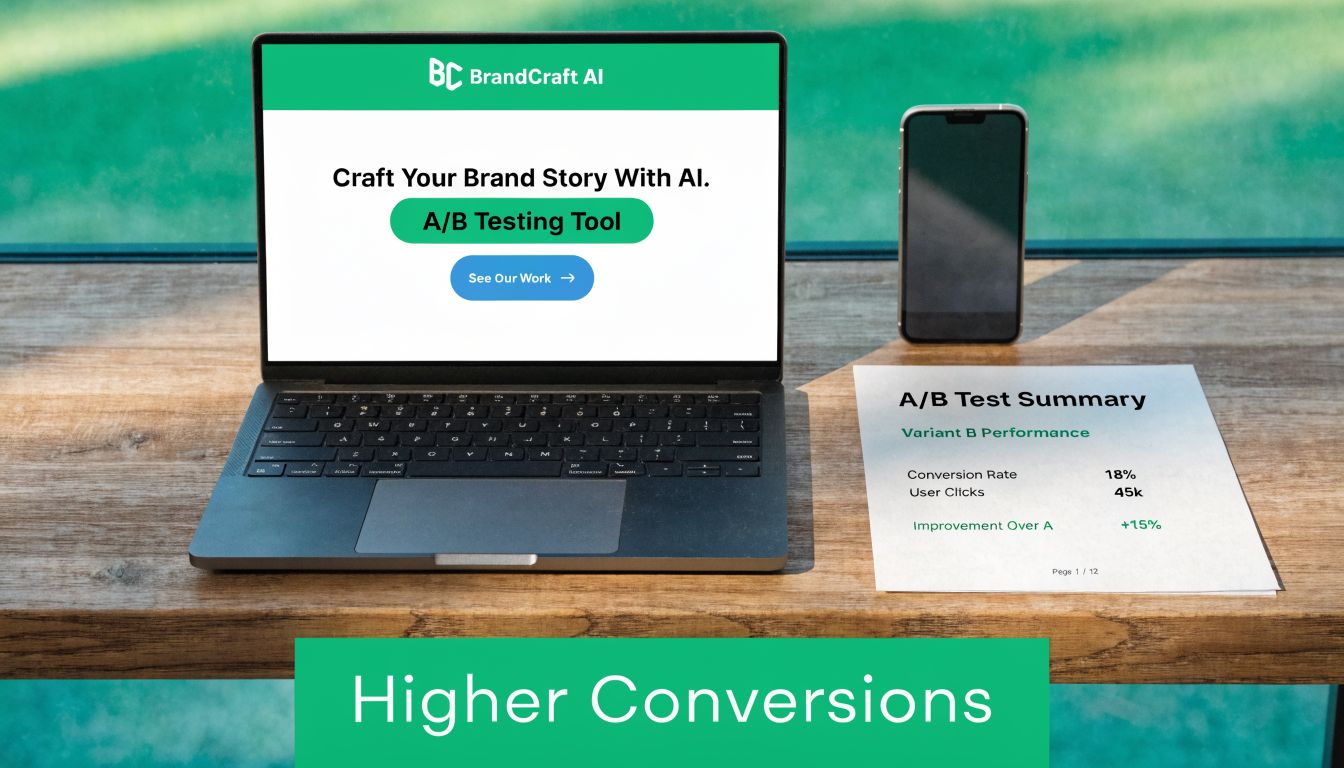
Many landing pages fail because they try to say everything. The headline is vague. The form asks for too much. The CTA button says “Submit.” The offer is buried below a wall of copy. Visitors don’t leave because they disagree. They leave because the page makes them work.
What to change first
Start with the basics before you test details.
- Message match: The page headline should reflect the ad, email, or search query.
- Offer clarity: State what happens after the form fill.
- Form discipline: Ask for the minimum information needed for the next step.
- CTA wording: Use language tied to the outcome, not the action.
Teams often obsess over button colors and ignore the core issue, which is weak promise clarity. If the visitor can’t tell what they get and why it matters within a few seconds, design tweaks won’t save the page.
For examples of cleaner page structure and conversion-focused layout decisions, these landing page design ideas for online courses are useful even outside education because the core friction points are the same.
A short scenario makes the point. A B2B software company sends paid traffic to a feature page with navigation, product jargon, and a demo form asking for too much information. Leads stay weak. They switch to a dedicated page with one promise, one use case, one CTA, and a shorter form. Lead quality usually improves because the page filters confusion before sales has to.
What doesn’t work? Running traffic without a page hypothesis, changing too many elements at once, and judging page performance only by conversion volume instead of downstream quality.
6. Social Media Lead Generation & Community Building
Social media can generate leads, but it’s unreliable when the strategy is “post often and hope.”
The better use of social is to create repeated exposure around a narrow problem, then move interested people into a clearer conversion path. That might be a lead form, a webinar, a direct message conversation, or a retargeting campaign. The social post itself usually isn’t the whole funnel.
Pick one platform and one job
SMBs spread themselves too thin here. They post the same creative across five platforms and wonder why nothing compounds. Each platform rewards different behavior. A useful LinkedIn post won’t automatically become a useful Instagram reel or YouTube short.
Choose one primary role for each platform:
- LinkedIn: Thought leadership, B2B conversations, and direct prospecting
- Instagram: Product discovery, founder visibility, and DMs
- Facebook: Community groups, local service visibility, and lead forms
- YouTube: Searchable education and longer trust-building content
The practical question is simple. Where does your buyer already spend time before they’re ready to fill out a form?
For ecommerce brands, social often works best as a demand capture assist rather than a stand-alone lead channel. Organic content introduces the product. Retargeting brings visitors back. Email closes the loop. For local service businesses, social proof and response speed matter more than follower count. For B2B, community is often built through comments, direct engagement, and repeated useful posts rather than broad reach.
What doesn’t work? Chasing trends that don’t fit the offer, overproducing content with no CTA path, and measuring success by impressions alone. If a social channel doesn’t move people into your owned assets, it’s mostly rented attention.
7. Webinars, Virtual Events & Educational Workshops
What gets a prospect to give you 30 to 45 minutes instead of 30 seconds? Usually, a problem they already feel and believe you can help solve.
That is why webinars keep producing strong leads for the right offers. Registration shows interest. Attendance shows commitment. Questions, poll responses, and replay views show where that interest sits on the buying spectrum. Few channels give you that much buying context from a single campaign.
The mistake I see is treating webinars like branded presentations. They work better as focused working sessions. A narrow promise beats a broad theme almost every time. “How to reduce no-show rates on booked demos” will pull in a more qualified audience than “marketing trends for 2026” because it speaks to an active problem with a measurable outcome.
A webinar program that produces pipeline usually follows a simple operating model:
- Pick one audience and one problem: Keep the topic tight enough that the right people can self-qualify
- Build the session around decisions: Teach a process, framework, checklist, or live teardown people can apply
- Use promotion in layers: Email your list, retarget site visitors, invite prospects already in open conversations, and ask partners or customers to share when relevant
- Capture intent signals during the event: Attendance length, chat activity, poll answers, Q&A, and replay requests all help score follow-up
- Segment the follow-up: Attendees, high-engagement attendees, no-shows, and replay viewers should not get the same sequence
The event is only half the asset. Its true value comes from what happens in the next 72 hours.
For SMBs, webinars can replace part of the trust-building work that would otherwise require a larger sales team or heavier ad spend. A local agency, consultant, or service firm can run a monthly workshop around one recurring client problem, then turn the recording into email content, short clips, and a sales follow-up asset. That approach stretches one hour of live teaching into weeks of usable lead generation material.
For B2B teams, webinars work best when they align with a stage in the buying process. Top-of-funnel sessions should diagnose a problem. Mid-funnel sessions should compare approaches, show implementation details, or answer objections that slow deals down. I have seen strong results from customer-led workshops because they lower skepticism and give sales a natural reason to continue the conversation with attendees who asked specific operational questions.
Ecommerce has a narrower but still useful playbook here. This channel makes more sense for products with education friction, higher price points, or category confusion. Live demos, buyer workshops, and product setup sessions can turn hesitant shoppers into qualified leads, especially when the brand offers consultation, bundles, or post-purchase guidance.
What usually fails is predictable. The topic is too broad. The session runs too long without interaction. The speaker spends 40 minutes on background and five minutes on the actual problem. Then the team sends one generic “thanks for attending” email and moves on. That wastes the strongest part of the channel, which is behavior-based follow-up.
If you only have time to do this once per quarter, make it count. Choose one painful problem, invite one clear audience, teach one usable solution, and build the post-event sequence before registration opens. That is the difference between a webinar that fills a calendar and one that fills a pipeline.
8. Referral & Word-of-Mouth Marketing Programs
Referral leads often close faster because trust already exists before the first conversation. But most businesses leave referrals to chance.
That’s the key issue. They say “most of our work comes from referrals” and never build a process around that. No timed ask. No referral page. No simple explanation of who they want introduced. The channel stays informal, which limits volume and consistency.
Turn casual referrals into a repeatable process
A referral program doesn’t need to feel corporate. It needs to remove friction. People are more likely to refer when they can explain your offer in one sentence and know exactly how to make the introduction.
A simple referral structure includes:
- Clear referral trigger: Ask after a successful delivery moment or positive feedback
- Specific audience prompt: Tell clients who you want to meet
- Simple handoff method: Intro email, form, scheduling link, or forwarded page
- Fast follow-up: Respond while the trust transfer is still warm
Here’s a common SMB scenario. A web design firm finishes a redesign. The client is happy. That’s the moment to ask, not three months later. A short note that says “If you know another company dealing with an outdated site or weak lead flow, feel free to introduce us” works better than a vague request for referrals.
For B2B firms, partnerships and referrals often overlap. Accountants refer law firms. IT providers refer cybersecurity consultants. Agencies refer developers and vice versa. Ecommerce brands can also build referral loops through post-purchase sharing, loyalty perks, and community advocacy, but the offer has to feel native to the product.
What doesn’t work? Asking too early, asking too vaguely, and making the referrer do the sales work for you.
9. Strategic Partnerships & Co-Marketing Initiatives
Partnerships are one of the most underused lead generation marketing strategies because they require patience, not just spend.
A good partner already has the audience you want, and you already have something useful for their audience. That’s the fit. Everything else is execution. If the arrangement is one-sided, it stalls. If both sides solve a real gap for the other, it can become a stable lead source.
Start with overlap, not logos
The fastest way to waste time in partnerships is chasing big names without a clear audience overlap. A smaller complementary business with direct customer access is usually more valuable than a larger brand with no reason to prioritize you.
Good partner categories include:
- Service complements: Web design with SEO, paid media with CRO, PR with content
- Technology partners: Tools that serve the same buyer at a different stage
- Channel partners: Agencies, consultants, or vendors with adjacent offers
- Content partners: Businesses willing to co-host webinars, guides, or workshops
A practical B2B example is a CRM consultant partnering with an outbound agency. One handles system setup. The other handles pipeline generation. The buyer gets a more complete solution, and both firms get warmer opportunities than they’d get alone.
For SMBs, local partnerships can be especially effective because trust transfers quickly in smaller business circles. For ecommerce, partnerships often work through bundles, affiliate relationships, co-branded content, or creator collaborations with an owned audience.
What doesn’t work? Loose “let’s collaborate sometime” conversations with no campaign, no owner, and no lead tracking. Partnerships need a named offer, a defined audience, and a specific promotion plan or they fade into goodwill with no pipeline.
10. Interactive Content & Lead-Gated Tools
Interactive tools work because they give the prospect something personal, not just informational.
A static PDF can help. A calculator, quiz, assessment, or configurator does more. It asks the user for context, then returns a result tied to their situation. That creates a better exchange and gives your team stronger qualification data than a basic form fill.
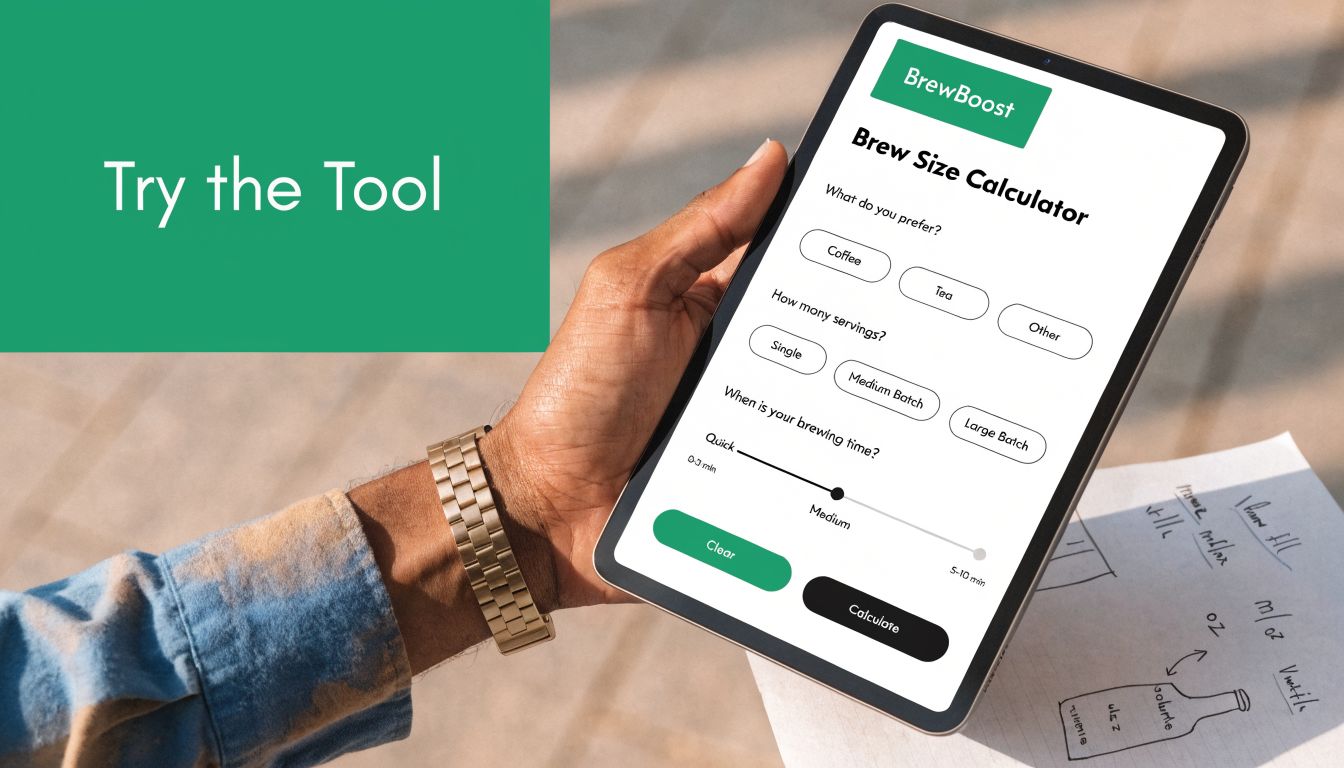
Build tools around decisions buyers already need to make
The strongest tools answer one of four questions: what should I choose, how much will this cost, what’s the likely outcome, or what should I fix first?
That means the format changes by business type:
- SMBs: Cost estimators, readiness assessments, service fit quizzes
- B2B: Qualification checklists, maturity assessments, process scorecards
- Ecommerce: Product finders, bundle builders, comparison tools
The gating choice matters. Don’t hide everything behind a form before the user gets any value. Let them engage first. Then gate the detailed result, downloadable version, or personalized recommendation. That keeps the interaction from feeling like bait.
A practical example: a paid media agency builds a lead quality assessment. The user answers questions about traffic sources, CRM setup, sales follow-up, and qualification process. The result segments the lead into likely issues and triggers a follow-up sequence matched to the answers. That’s far better than offering a generic audit with no context.
What doesn’t work? Gimmicky quizzes that entertain but don’t qualify, calculators with fake precision, and tools nobody promotes after launch. If you build one, treat it like a product. Put it in ads, email, social posts, partner campaigns, and relevant pages across the site.
10-Point Lead Generation Strategy Comparison
| Strategy | Implementation Complexity | Resource Requirements | Expected Outcomes | Ideal Use Cases | Key Advantages |
|---|---|---|---|---|---|
| Content Marketing & SEO-Driven Lead Generation | High, requires strategy, technical SEO and ongoing content production | Content writers, SEO tools, editors, time investment | Steady, high-quality organic leads and growing authority (slow build) | B2B, SaaS, services, ecommerce with longer sales cycles | Cost-effective long-term, builds trust and supports other channels |
| Email Marketing, Nurture Sequences & Cold Outreach | Medium, automation setup and personalization workflows | Email platform, lists/CRM, copywriters, deliverability expertise | Measurable direct conversions, meetings and high ROI when optimized | All businesses, especially B2B, ecommerce, subscription and sales-led models | High ROI, owned channel, highly measurable and personalized |
| PPC Advertising & Paid Search Lead Generation | Medium–High, campaign setup, bidding and optimization | Ad budget, PPC specialists, conversion-optimized landing pages, tracking | Immediate, scalable leads with clear cost-per-lead metrics (ongoing spend) | Local services, B2B SaaS, ecommerce with ad budgets | Fast results, precise intent targeting, controllable spend |
| LinkedIn Lead Generation & B2B Networking | Medium, combination of paid targeting, organic content and outreach | LinkedIn ads budget, Sales Navigator, content and outreach resources | High-quality B2B leads and direct access to decision-makers | B2B companies, professional services, enterprise software, recruiting | Unmatched B2B targeting, native lead forms, supports thought leadership |
| Landing Page Optimization & Conversion Rate Optimization (CRO) | Medium, requires testing framework and analytics | CRO tools, designers, analysts, testing traffic | Higher conversion rates and more leads without increasing traffic | Any business driving traffic; critical for paid campaigns and ecommerce | Improves ROI, data-driven, gains compound over time |
| Social Media Lead Generation & Community Building | Medium, ongoing content creation and community management | Content creators, community managers, ad spend for paid social | Brand awareness and community-driven leads; lead quality varies by platform | B2C, ecommerce, coaches, local services, lifestyle brands | Large engaged audiences, low-cost organic reach, real-time engagement |
| Webinars, Virtual Events & Educational Workshops | High, planning, production and promotion intensive | Webinar platforms, speakers, promotion budget, production staff | High-intent leads, strong engagement and authority building | B2B, SaaS, professional services, educational institutions | Captures leads at moments of interest; builds credibility and relationships |
| Referral & Word-of-Mouth Marketing Programs | Low–Medium, program design and tracking | Incentives, referral software, customer success engagement | Very high-quality leads and low CPL but often slow to scale initially | Any business with satisfied customers, especially SaaS, ecommerce, services | Trusted referrals, highest conversion rates, low acquisition cost |
| Strategic Partnerships & Co-Marketing Initiatives | Medium, partner identification and coordinated execution | Partner outreach, co-branded assets, shared resources and tracking | Access to new audiences and shared lead flows; quality varies by partner | B2B service firms, agencies, SaaS, companies expanding into new markets | Cost-sharing, credibility via association, accelerated reach |
| Interactive Content & Lead-Gated Tools | High, requires development, UX and promotion | Developers, designers, data/analytics, maintenance resources | High engagement, well-qualified leads and useful behavioral data | B2B SaaS, financial services, agencies, complex-solution sellers | High conversion and qualification, shareable and memorable experiences |
Your Next Move: From Strategy to Execution
Where should you start when ten channels look viable, but your team can only fund two or three? Start where buyer intent is already visible, then make sure the path from first click to first sales touch works.
I have seen too many teams add channels before they have a reliable conversion system. More traffic does not fix a weak offer, a confusing landing page, or slow follow-up. It usually makes those problems more expensive.
A practical rollout is narrower than many teams expect. Pick one acquisition source, one offer, and one follow-up sequence. Run that combination until you can explain, in plain terms, who converts, why they convert, and what happens after the form fill. Then expand with confidence instead of guesswork.
Priority should shift by business model.
For SMB service businesses, the strongest first moves are usually content, local SEO, referrals, and disciplined email follow-up. Those channels build demand without forcing you into expensive auction dynamics before you know your numbers. Paid search becomes much more useful once you know which service pages, proof points, and calls to action already produce qualified inquiries. Social content can support that system, but it rarely carries the pipeline on its own. Its real job is credibility, repetition, and staying visible while prospects compare options.
For B2B teams, the playbook needs tighter qualification from day one. A broad lead volume target creates waste if sales has to sort through low-fit accounts by hand. The better setup is a focused mix: content that captures demand, LinkedIn for account targeting, nurture emails that handle common objections, and fast sales follow-up tied to deal size and buying stage. Cold outreach still has a role, but it performs better when prospects land on pages with proof, clear positioning, and a next step that matches their level of intent.
For ecommerce brands, the goal is not just to collect email addresses. The goal is to collect intent and use it well. Quizzes, product finders, back-in-stock flows, retargeting, and post-purchase email sequences tend to outperform generic popups because they help shoppers choose, compare, or come back for a second order. That is the difference between a growing list and a list that produces revenue.
Execution speed changes the result. A lead that gets a useful response while interest is still fresh is worth more than a lead that sits untouched for a day. Routing rules, lead scoring, and clear ownership matter as much as channel selection.
Many lead generation problems are operational. Traffic comes in. Forms convert. Then the process breaks in the handoff. Leads sit in a shared inbox, high-intent contacts get the same nurture as casual researchers, and sales replies after the buying window has narrowed. In that situation, even a smart channel mix underperforms.
Use a simple audit before you add anything new. Which channel brings in the right prospects? Which offer gets them to act? What happens in the first seven days after conversion? If your team cannot answer one of those clearly, fix that point first.
If you need outside support to build or tighten that system, Ascendly Marketing is one option for companies that want help across SEO, PPC, email, website optimization, and lead generation operations.